
The Day After

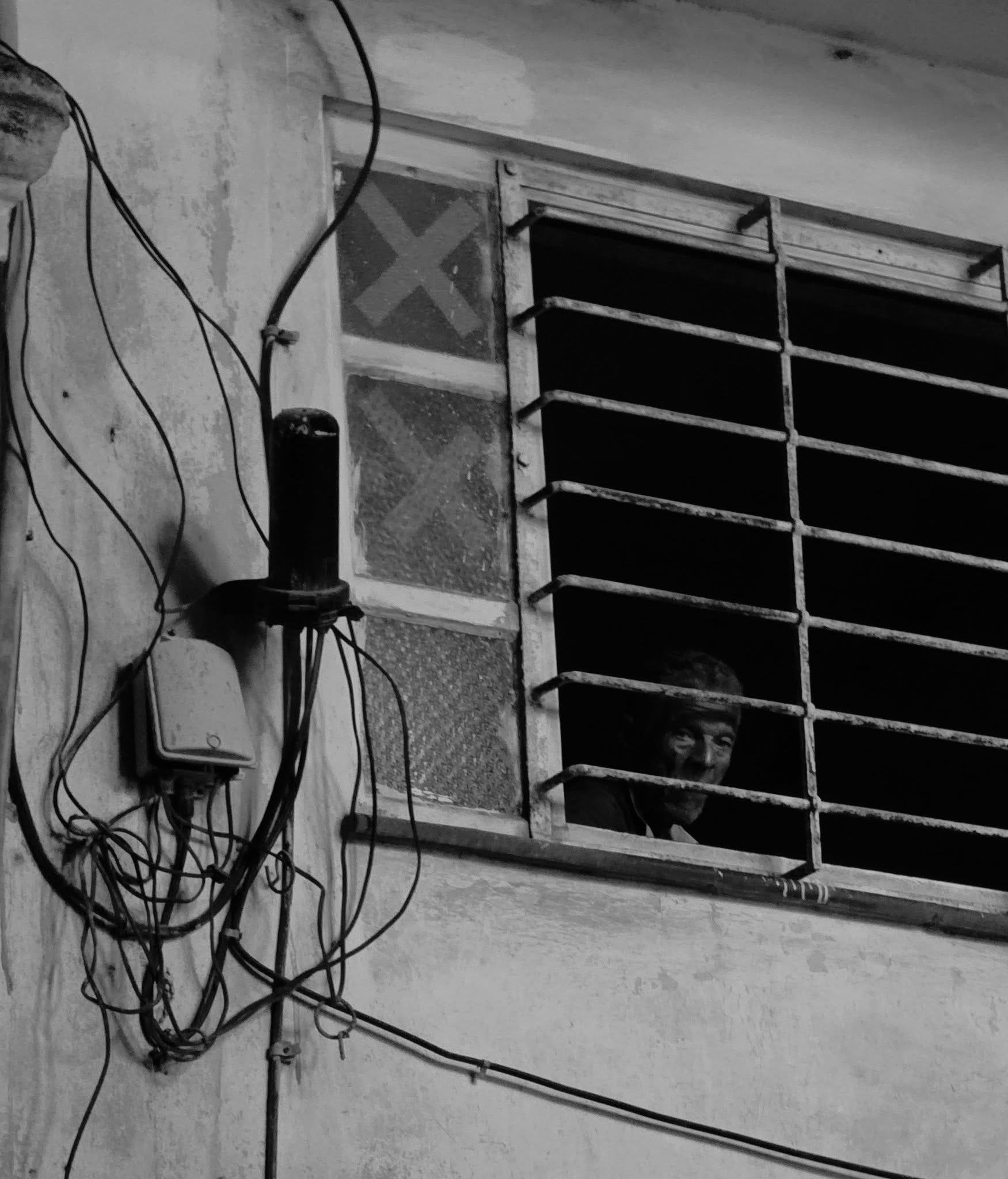
The old lady hasn’t been outside in four months. Five, perhaps. She lost count around the time her neighbours fled. Quick, clumsy footsteps down the stairs in the deadest part of the night. She likes to imagine that they got away.
Her stomach gurgles. She hasn’t eaten for weeks, apart from the damp biscuits that she rations to four a day. Lying in bed, tracing the lines on the ceiling, she stifles a yawn. Her mind is sharp, but her body is so very tired.
Today will be the day. She’s not sure whether she has known this all along, or if she’s just made the decision. Either way, she moves carefully from her cool, damp bed to her dressing table, which wobbles as she leans on it to sit down. She applies lipstick. A light-grey sheen is beginning to soak through the thin blinds. That’s as bright as it’s going to get; the sun was another thing that disappeared.
She can feel the roughness of her lips beneath the sticky scarlet paste. She can see her hollowed eyes in the blotchy mirror. From the world beyond the window she hears nothing but a steady silence. She moves on to powdering her cheeks. Dusty specks hang in the fetid air, and the woman counts seconds, then minutes in the deep quiet. Perhaps it’s all over already.
It will be soon, anyway. For her. She gathers her hair in one hand, wondering how it can feel both limp and brittle. In the dresser drawer she finds a clasp, with golden fingers and a ruby red top. It sparkles in the grey-light, a beacon from another time, long-lost treasure just unearthed. It takes her several attempts before she’s happy with the reflection in the mirror.
The air from the wardrobe is thick and musty. Her hands feel for a dress hanging at the end of the rail. Powder blue printed with roses. She wonders if it will still fit, then smiles ruefully when it hangs limp from her shoulders. The effort of raising her hands above her head has left her out of breath.
A jacket hanging at the other end of the rail, thick and bristly, is almost too much for her to lift out. Once she held her daughter against its fur collar, while the girl wrinkled her nose and giggled. Those eyes, perfectly round pools of wonder. Unblinking, gazing up.
Dead now, of course. She focuses on what needs to be done here, now, this morning. She reaches for a velvet hat hanging behind the door, brushes the dust from its dome, and makes her way out into the dimly lit hallway. A ball of string lies in a corner, pillowed in dust. She tries to remember the cat’s name, but it’s long since faded from her mind, disappeared into the shadows like the cat itself. Like she will soon.
Her knees crack and her fingers tremble on the banister. She feels light, as if she could let go and float to the door. She realises that it’s the guilt that’s left her. She wonders why she used to care, what she used to be so terrified of. The time for her act of defiance has arrived, finally, when she will walk out into the street beyond in her Sunday best, never to return.
The air is as sharp as a knife. The silence is even louder out here, buzzing and groaning, but over it all the click of a pistol being cocked reaches her ears. Loud and clear.
Stewart McKay has lived in Hong Kong since 2012. An active member of the Hong Kong Writers Circle, he has contributed to several of their anthologies, editing two of them: HK24 (2017) and Lost in Transition (2023). His flash fiction and short stories have appeared, and have been shortlisted for prizes, in publications such as Grindstone Literary, Raconteur, and Fiction Factory. His debut novel, The Ballad of Billy Lopez, was published in 2024.
 | A guest post by
|
I love Stewarts’s post-apocalyptic work.
Gaaaaaaaaa!